
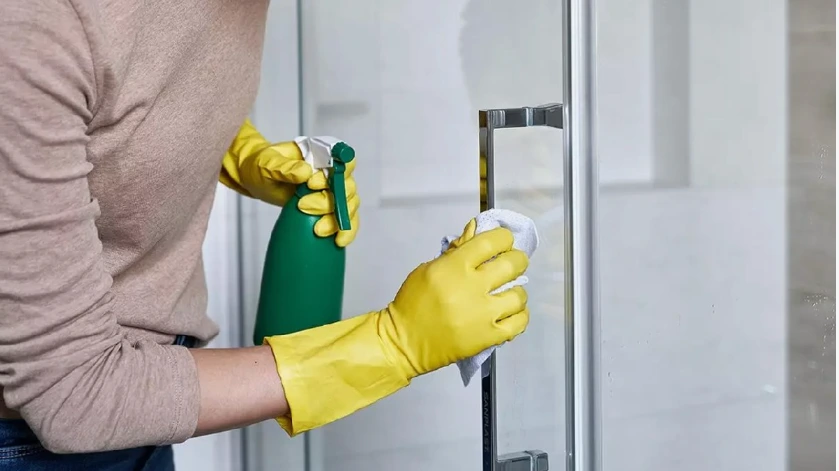
Glass shower doors add a clean, modern appearance to a bathroom while allowing natural and artificial light to move through the space. Whether you have a frameless shower enclosure, sliding glass door, or textured glass panel, keeping the glass clean helps maintain its appearance. However, water spots, soap scum, mineral deposits, and everyday bathroom residue can make shower glass look cloudy over time.
Knowing how to clean glass shower doors properly can help prevent stubborn buildup and reduce the need for intensive scrubbing. The right cleaning products, soft materials, and regular maintenance routine can make a noticeable difference.
In this guide, Frameless Shower Doors explains how to clean shower glass, which cleaning solutions to use, how to remove hard water stains, and how to keep your shower doors looking clear between deep cleanings.
Why Do Glass Shower Doors Get Dirty?
Before choosing a cleaning method, it helps to understand what causes glass shower doors to develop spots, streaks, and cloudy areas. Several substances can collect on the glass during everyday shower use.
Hard water deposits: Hard water contains minerals such as calcium and magnesium. When water droplets dry on the glass, these minerals remain behind and create white spots or cloudy marks.
Soap scum: Soap combines with minerals in water and leaves a film on the glass. This residue can become more noticeable when it is not cleaned regularly.
Shampoo and conditioner residue: Hair care products can leave behind oily or slippery deposits that make shower glass look dull.
Body oils and dirt: Natural oils, skin residue, and everyday dirt can collect on shower surfaces.
Moisture and poor ventilation: Bathrooms that remain humid for extended periods may experience more moisture buildup on glass, seals, and hardware.
Regular cleaning helps remove these deposits before they become difficult to manage.
How to Clean Shower Glass in 5 Simple Steps
The best way to clean shower glass depends on the type of buildup and the glass manufacturer’s care recommendations. For routine cleaning, a mild glass-safe solution and soft cleaning materials are usually sufficient.
Follow these steps to clean your shower doors without scratching the glass or leaving unnecessary streaks.
Step 1: Gather Your Cleaning Supplies
Prepare everything before starting so you can clean the entire shower enclosure without interruption.
You may need:
- A microfiber cleaning cloth
- A soft, non-abrasive sponge
- A rubber shower squeegee
- White distilled vinegar
- Mild dish soap
- Warm water
- A spray bottle
- A clean, dry towel
Avoid steel wool, rough scrub pads, abrasive brushes, and scouring powders. These materials may scratch glass or damage certain finishes.
Step 2: Rinse the Glass With Warm Water
Start by rinsing the shower door with warm water to loosen surface dirt, shampoo residue, and soap buildup.
Pay attention to the lower sections of the glass because water and cleaning products often collect there. Rinsing first also helps prevent loose dirt from being dragged across the surface during scrubbing.
Step 3: Apply a Suitable Cleaning Solution
For routine cleaning, use a cleaner specifically designed for shower glass. You can also use a mild homemade solution if the glass manufacturer’s instructions allow it.
One common option is equal parts white distilled vinegar and water. Place the mixture in a spray bottle and apply it to the affected areas.
For everyday soap residue, a small amount of mild dish soap mixed with warm water may also help.
Allow the cleaning solution to sit for a few minutes if the product instructions permit. Do not allow it to dry completely on the glass.
Important: Vinegar is acidic and may damage natural stone surfaces, some metal finishes, or certain protective glass coatings. Always check the manufacturer’s cleaning recommendations before using it.
Step 4: Wipe the Glass Gently
Use a soft microfiber cloth or non-abrasive sponge to clean the glass. Work from top to bottom with gentle, overlapping movements.
Give extra attention to:
- Corners and lower glass sections
- Areas around handles and hinges
- Spots with visible soap scum
- Sections where water regularly collects
If some deposits remain, repeat the cleaning process rather than applying excessive pressure.
Step 5: Rinse and Dry the Shower Door
Rinse the glass thoroughly with clean water to remove all remaining cleaning solution.
Next, use a rubber squeegee to remove excess water. Start at the top and work downward in overlapping strokes. Wipe the squeegee blade between passes when needed.
Finish by drying the glass with a clean microfiber towel. This final step helps prevent leftover droplets from drying and creating new water spots.
What Is the Best Way to Clean Shower Glass?
The best way to clean shower glass is to use a suitable cleaning solution, a soft cloth or sponge, and a thorough rinsing and drying process. However, the ideal cleaner depends on the type of buildup you need to remove.
Here are some common cleaning options.
1. White Vinegar and Water
White distilled vinegar is a popular household cleaning option because its acidity can help dissolve mineral deposits and soap-related residue.
How to use it:
- Mix equal parts white distilled vinegar and water in a spray bottle.
- Apply the solution to the glass if approved by the glass manufacturer.
- Let it sit for a few minutes without allowing it to dry.
- Wipe gently with a microfiber cloth.
- Rinse thoroughly and dry the glass.
This method may work well for light mineral buildup, but it is not appropriate for every glass coating or nearby bathroom material.
2. Mild Dish Soap and Warm Water
Dish soap can help remove oily residue, body oils, and everyday soap buildup.
How to use it:
- Add a small amount of mild dish soap to warm water.
- Dip a soft sponge into the mixture.
- Gently wipe the glass surface.
- Rinse away all remaining soap.
- Dry with a squeegee and microfiber cloth.
This is a useful option for routine cleaning when the glass does not have heavy mineral deposits.
3. Commercial Shower Glass Cleaners
Commercial glass and soap scum removers are available for different types of bathroom buildup. Some products are designed specifically for hard water deposits, while others focus on removing soap residue.
Before purchasing a cleaner, check that it is suitable for your shower glass and any protective coating. Follow the product instructions carefully, including recommended contact time and rinsing requirements.
4. Baking Soda for Stubborn Residue
Baking soda is sometimes used as a gentle cleaning aid for stubborn soap residue. However, it is mildly abrasive, so it should not automatically be used on every glass surface.
If the glass manufacturer permits it, test the method on a small, inconspicuous area first. Use a very soft cloth, apply minimal pressure, and rinse thoroughly.
Avoid using abrasive paste on specialty coatings or surfaces where the manufacturer advises against it.
Never mix vinegar with bleach or other household cleaning chemicals. Mixing cleaning products can produce hazardous reactions.
How to Remove Hard Water Stains From Glass Shower Doors
Hard water stains are among the most common problems homeowners experience with glass shower doors. These marks usually appear as white spots, cloudy patches, or mineral rings left behind after water evaporates.
Fresh deposits are generally easier to remove than buildup that has remained on the glass for months.
To address hard water stains:
- Identify whether the marks are mineral deposits or possible glass damage.
- Check the manufacturer’s recommendations for an approved mineral deposit cleaner.
- Apply the recommended product according to its directions.
- Gently wipe the affected area with a soft microfiber cloth.
- Rinse the glass thoroughly.
- Dry the surface completely with a squeegee and clean towel.
Avoid using strong acidic cleaners, abrasive pads, or razor blades unless specifically approved for the glass.
If the cloudy appearance remains after appropriate cleaning, the glass may have etching or permanent surface damage. These conditions cannot always be corrected with ordinary household cleaners.
How to Clean Textured Glass Shower Doors
Textured glass, including rain-pattern glass, provides additional privacy and creates a different visual effect compared with clear glass. However, its raised patterns and grooves can collect soap residue, mineral deposits, and dirt.
Cleaning textured shower glass requires extra attention because a regular cloth may not reach every recessed area.
Follow these tips:
- Use a glass-safe cleaning solution approved for textured glass.
- Apply the cleaner evenly across the patterned surface.
- Use a soft-bristled brush to reach grooves and recessed sections.
- Avoid hard brushes that could scratch or damage the finish.
- Rinse thoroughly to remove cleaning solution from the textured areas.
- Allow the glass to drain and dry completely.
Clean textured glass regularly rather than waiting for visible buildup to develop. This makes it easier to maintain the appearance of the pattern.
How to Clean Shower Door Hardware, Hinges, and Handles
Cleaning the glass is only part of maintaining a shower enclosure. Hinges, handles, brackets, and other hardware also collect water spots, soap residue, and moisture.
The correct cleaning method depends on the hardware material and finish.
Cleaning Shower Door Hinges
Use a soft, damp microfiber cloth to wipe the exposed hinge surfaces. For light residue, a small amount of mild soap and water may be suitable if approved by the hardware manufacturer.
Pay attention to the areas around the hinge where water and soap can collect. Dry the hardware after cleaning to reduce spotting.
Avoid spraying harsh chemicals directly onto hinges or allowing cleaning products to sit on metal finishes.
Cleaning Shower Door Handles
Handles are touched frequently, so they can collect fingerprints, body oils, and water marks.
Wipe them with a soft cloth and an appropriate cleaner for the specific finish. Rinse if required by the product instructions and dry thoroughly.
Cleaning Sliding Shower Door Tracks
Sliding shower doors have tracks that can collect dirt, hair, soap residue, and moisture.
To clean them:
- Remove loose dirt and hair with a vacuum crevice attachment or soft brush.
- Apply a suitable bathroom cleaner to the track.
- Use a small, soft cleaning brush to reach corners.
- Wipe away loosened dirt with a damp cloth.
- Rinse if necessary and dry the track thoroughly.
Keeping the tracks clean can help maintain smooth door movement.
How to Clean Shower Door Seals and Bottom Sweeps
Shower door seals and bottom sweeps help limit water from escaping the enclosure. Over time, they can collect soap residue, dirt, and moisture.
To clean them, use a soft cloth with mild soap and water if permitted by the seal manufacturer. Gently wipe the exposed surfaces, including the areas around the bottom of the glass.
Rinse away any remaining cleaner and dry the seal.
Check the seals regularly for signs of cracking, discoloration, looseness, or deterioration. Cleaning can remove surface dirt, but damaged seals may need replacement.
How to Keep Glass Shower Doors Clean Longer
Once your shower doors are clean, a few simple habits can help prevent water spots and soap scum from returning quickly.
Use a Squeegee After Every Shower
A squeegee removes water droplets before they dry on the glass. Keep one inside or near the shower so it is easy to use after each shower.
Wipe Away Remaining Moisture
After using the squeegee, wipe the edges, corners, handles, and lower sections with a microfiber towel.
Improve Bathroom Ventilation
Run the bathroom exhaust fan during and after showering when available. Good ventilation helps reduce excess moisture and allows bathroom surfaces to dry more quickly.
Avoid Excessive Soap Buildup
Rinse the shower glass after using soap, shampoo, and conditioner. Regularly removing product residue helps reduce cloudy buildup.
Follow a Regular Cleaning Schedule
Do not wait until the glass becomes heavily stained. Light cleaning on a consistent schedule is usually easier than removing months of accumulated residue.
How Often Should You Clean Glass Shower Doors?
Cleaning frequency depends on how often the shower is used, the hardness of your water, and the amount of residue that collects on the glass.
Here is a practical maintenance schedule:
| Cleaning task | Suggested frequency |
| Use a squeegee | After every shower |
| Wipe visible moisture | After every shower |
| Light glass cleaning | Once or twice a week |
| Clean hinges, handles, and seals | Weekly |
| Deep cleaning | Monthly or as needed |
If your home has hard water or the shower is used frequently, you may need to clean the glass more often.
Common Mistakes to Avoid When Cleaning Shower Glass
Some cleaning habits can make shower glass harder to maintain or damage its surface.
Using abrasive cleaning materials: Steel wool, rough scrubbers, and scouring powders can scratch glass or damage protective coatings.
Leaving cleaning products on the glass: Cleaner residue can dry into streaks and spots. Always rinse according to the product instructions.
Ignoring hardware and seals: Dirt and moisture can accumulate around hinges, handles, tracks, and bottom sweeps.
Using the wrong cleaner: A product that works on ordinary glass may not be suitable for specialty coatings or metal finishes.
Mixing household chemicals: Never combine vinegar with bleach or other cleaners. Use one suitable product at a time.
Skipping regular maintenance: Waiting for visible mineral buildup can make cleaning more difficult.
When Should You Consider Replacing Your Glass Shower Door?
Regular cleaning can improve the appearance of shower glass, but it cannot solve every problem. In some situations, repairing or replacing the shower door may be worth considering.
Look for these signs:
- Cracks or chips in the glass
- A door that no longer opens or closes correctly
- Damaged or deteriorating seals
- Loose or damaged hardware
- Persistent cloudy areas that may indicate permanent glass damage
- A shower door that no longer suits your bathroom layout
Cracked or damaged shower glass should not be used. Avoid attempting to repair or adjust damaged glass yourself; arrange a professional assessment.
If you are considering a bathroom update, a custom frameless shower enclosure can provide a clean, open appearance. The right design depends on the available space, shower layout, glass configuration, and hardware requirements.
Frequently Asked Questions About Cleaning Glass Shower Doors
1. How do you clean glass shower doors without leaving streaks?
Use a suitable glass cleaner or an approved mild cleaning solution, then rinse the glass thoroughly. Remove excess water with a rubber squeegee and finish with a clean, dry microfiber cloth. Avoid allowing cleaning products to dry on the surface.
2. What is the best way to clean glass shower doors?
The best way to clean glass shower doors is to rinse away loose dirt, apply a suitable cleaner, gently wipe with a soft sponge, rinse thoroughly, and dry the glass. Regular maintenance helps prevent heavy soap scum and mineral buildup.
3. Can vinegar clean shower glass?
White distilled vinegar can help remove certain mineral deposits and soap residue. However, it may damage some protective glass coatings, natural stone, or metal finishes. Check the manufacturer’s instructions before using vinegar.
4. How do I remove stubborn water spots from shower glass?
Use a glass-safe mineral deposit remover approved for your shower glass. Follow its directions, wipe gently with a soft cloth, rinse thoroughly, and dry the surface. Older deposits may require professional assessment if they have caused permanent etching.
5. How often should I clean my shower doors?
Use a squeegee after every shower and perform light cleaning once or twice a week. Deep cleaning may be needed monthly or more frequently in homes with hard water.
6. Can I use dish soap to clean glass shower doors?
Yes. A small amount of mild dish soap mixed with warm water can help remove everyday dirt and oily residue. Rinse the glass thoroughly to prevent soap film from remaining on the surface.
7. How do I keep frameless shower doors clean?
Use a squeegee after each shower, wipe away remaining moisture, clean the glass regularly, and maintain the hinges and seals. Use only cleaning products approved for the glass and hardware finishes.
8. Why does my shower glass look cloudy even after cleaning?
Cloudiness may result from leftover soap residue, hard water deposits, or permanent glass etching. If the glass remains cloudy after using an appropriate cleaning method, the surface may have damage that ordinary cleaning cannot remove.
Keep Your Shower Glass Looking Its Best
Clean shower glass can make a bathroom feel brighter, more open, and better maintained. The best way to clean shower glass is to use suitable cleaning products, avoid abrasive materials, and remove water before it dries. Regular attention to the glass, hardware, and seals can also help prevent stubborn buildup.
Whether you already have a glass shower enclosure or are planning a bathroom upgrade, choosing the right shower door design and maintaining it properly can make a difference in its appearance over time.
Frameless Shower Doors can help homeowners explore glass shower door options for their bathroom projects. Consider your available space, preferred door style, and hardware requirements when planning a new shower enclosure.