
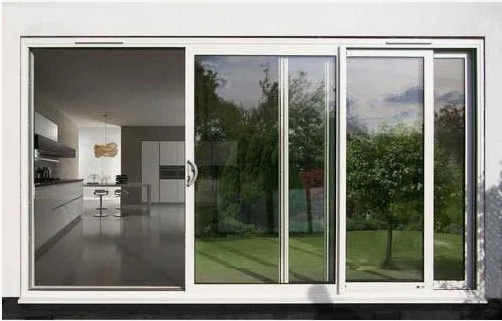
Sliding doors are a popular choice in modern homes because they save space, allow natural light, and create a clean, stylish look. You’ll often find them in patios, bathrooms, closets, and even interior partitions. However, over time, sliding doors can become difficult to operate due to worn rollers, misaligned tracks, or damaged frames. When that happens, replacing the door is often more effective than repeatedly repairing it.
Installing or replacing a sliding door is not overly complicated, but it does require patience, proper alignment, and careful handling especially if glass panels are involved. A small mistake in leveling or track placement can lead to long-term issues like sticking doors or air gaps.
For homeowners looking for professional results, Lookout Frameless Shower Doors provides expert installation services for sliding and frameless glass doors with precision fitting and long-term durability.
Understanding How Sliding Doors Work
Before starting the replacement process, it helps to understand how sliding doors function. A typical sliding door system includes a fixed panel and a movable panel that glides along a track using rollers. The upper track supports the weight, while the bottom track guides movement and keeps the door stable.
The smooth operation of the door depends heavily on alignment. Even a slight tilt or uneven surface can cause the door to drag, stick, or come off the track entirely.
When You Should Replace a Sliding Door
Not every sliding door issue requires a full replacement. Sometimes cleaning the track or replacing rollers is enough. However, replacement becomes necessary when the door no longer slides smoothly even after adjustments, or when the frame and glass are damaged.
If the door constantly falls off the track, makes grinding noises, has cracked glass, or no longer seals properly, it’s usually a sign that the system has reached the end of its usable life. In such cases, installing a new door is safer and more cost-effective in the long run.
Preparing for Installation
Before removing the old door, proper preparation is important. You’ll need to measure the opening accurately to ensure the new door fits correctly. Even a small measurement error can lead to alignment issues later.
The work area should be cleared, and the floor protected, especially if you are working with glass panels. Sliding doors can be heavy and fragile at the same time, so handling them with care is essential.
Removing the Old Sliding Door
The removal process begins by lifting the sliding panel upward to release it from the bottom track. Once lifted, the bottom is tilted outward and carefully removed from the frame. If there is a fixed panel, it may need to be unscrewed or removed next.
After the panels are taken out, the track system should be inspected. If it is worn or damaged, it is usually replaced during installation. Cleaning the frame at this stage is also important because dirt or debris can affect the new door’s performance.
Preparing the Frame and Track Area
A successful installation depends heavily on how well the frame is prepared. The surface must be clean, level, and free of any old adhesive or debris. If the frame is uneven, the door will not slide properly, even if installed correctly.
At this stage, professionals often check for water damage, rust, or structural issues. Any problem with the frame should be fixed before moving forward, it can affect the lifespan of the new door.
Installing the Bottom and Top Tracks
The track system is the foundation of the sliding door. The bottom track is installed first and must be perfectly level. If it is even slightly tilted, the door will not glide smoothly.
Once the bottom track is secured, the top track is aligned and fixed in place. Both tracks must work together to support the door’s movement. In many cases, silicone sealant is also applied to prevent water leakage and improve stability, especially in bathroom installations.
Installing the Sliding Door Panel
Once the tracks are properly installed, the sliding door panel is carefully lifted into place. The top rollers are inserted into the upper track first, and then the bottom is lowered onto the track.
At this point, the door should be tested for movement. It should glide smoothly without resistance or wobbling. If there is any friction, adjustments are made to the roller height or alignment until the motion becomes effortless.
Proper installation ensures that the door feels light and balanced when opening and closing.
Installing Handles and Final Adjustments
After the door is correctly positioned, handles and locking mechanisms are installed. These components may seem minor, but they play an important role in usability and security.
Once everything is attached, the final adjustments are made. This includes checking spacing between panels, ensuring proper sealing, and verifying that the door closes evenly on all sides.
A well-installed sliding door should feel stable, smooth, and silent during operation.
Common Installation Mistakes
One of the most common mistakes during sliding door installation is ignoring level alignment. Even a small slope in the track can cause long-term sliding issues. Another frequent issue is over-tightening screws, especially on glass panels, which can create pressure points and lead to cracking over time.
Improper sealing is also a problem, particularly in bathrooms or exterior installations, where water leakage can become an issue if gaps are left untreated.
Why Professional Installation Matters
While sliding door installation can be done as a DIY project, professional installation ensures precision, safety, and long-term performance. Glass panels are heavy and require careful handling, and even minor alignment errors can affect functionality.
Professional installers also ensure that the frame, track, and rollers are correctly balanced, which reduces maintenance issues in the future.
For homeowners who want reliable and high-quality results, Lookout Frameless Shower Doors specializes in sliding and frameless glass door installation with a focus on durability and precision.
Final Thoughts
Replacing and installing a sliding door is a detailed process that requires careful preparation and accurate alignment. When done correctly, it enhances both the appearance and functionality of your space, providing smooth operation and a modern finish.
Whether you are upgrading an old door or installing a new one, attention to detail is what ensures long-lasting performance and comfort in everyday use.